Green Energy Corridors Sulawesi (GECS) – Transmission Line 275kV South Sulawesi
Partner
Project duration
Project volume
Location
Type of funding
Project status
Implementation
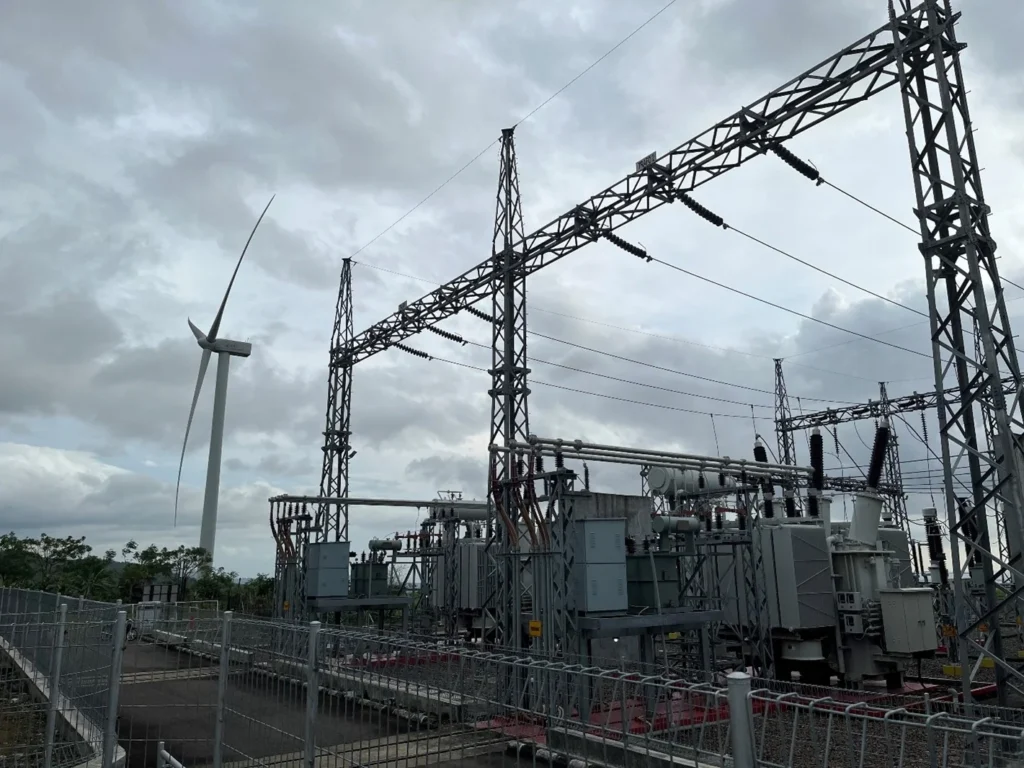
The GECS project aims to finance the construction of a high-voltage transmission backbone in Sulawesi, connecting the green electricity production centres to the consumption centres around Makassar and Palopo.
Background
Sulawesi has great potential for the generation of energy from renewable sources (RE), especially from hydropower, but also wind. At the same time, Sulawesi is considered one of the regions with the highest economic growth rates and an increasing demand (e.g. from nickel production) requires the addition of new power plants. While renewable energy is being promoted in the region, the major challenge is its dependence on transmission and distribution networks to reach private consumers and value-adding sectors.
Green electricity – especially from hydropower in the north of South Sulawesi province, which must be transported to the consumption centres around Makassar and Palopo – faces transport challenges, as hydropower plants are often located far from the existing grid, whose capacity to transport or absorb additional renewable energy remains limited. To efficiently evacuate their energy potential and increase grid stability, it is crucial to establish a high-voltage transmission backbone. Only after completion and commissioning of GECS can a significant contribution be made to expanding the RE supply, improving the climate friendliness of the Indonesian electricity supply and meeting the strong growth of electricity demand in South Sulawesi.
The accelerated expansion of renewable energies (RE) and the power grid in Sulawesi plays a central role, not least against the background of the Indonesian government’s updated 10-year expansion plan (RUPTL 2021-2030). The GECS project is prioritized in this plan.
Objective
- Expansion of power grid infrastructure on Sulawesi (Indonesia) through the construction of transmission lines and substations
- Energy-efficient connection of generation capacities from renewable energies
- Contribution to the Just Energy Transition Partnership Indonesia
- Reduction of energy loss
Key project aspects
- Total project cost: EUR 680 Mio. (out of which KfW plans to finance 300 Mio. EUR)
- Transmission length: 400 km (Bakaru – Palopo – Sidrap – Daya Baru – Banteaeng)
- Current status: under preparation of the feasibility study, Environmental and Social scoping as well as internal credit approval process within PLN and KfW. Contract is expected to be signed in 2025.
Project Publications
Project Updates
Tools
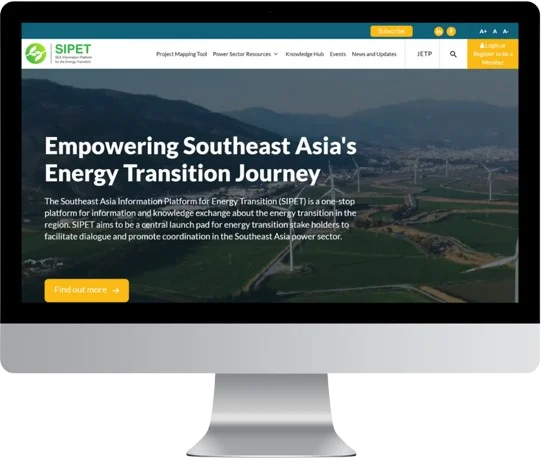
SEA Information Platform for the Energy Transition (SIPET)
The Southeast Asia Information Platform for Energy Transition (SIPET) is a one-stop platform for information and knowledge exchange about the energy transition in the region. SIPET aims to be a central launch pad for energy transition stake holders to facilitate dialogue and promote coordination in the Southeast Asia power sector.
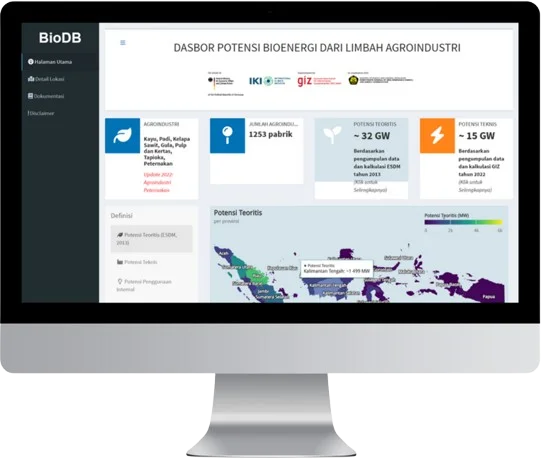
Bio DB
BioDB is a useful website for providing general information, encouraging discussion and conversation on the topic of bioenergy from agro-industrial waste. The data and information presented were collected by the Strategic Exploration of Economic Mitigation Potentials through Renewables (ExploRE) project, a project funded by the Federal Ministry for the Environment, Nature Conservation and Nuclear Safety (BMU), Federal Republic of Germany, in collaboration with the Ministry of Energy and Mineral Resources (ESDM) of the Republic of Indonesia, and implemented by the Deutsche Gesellschaft für Internationale Zusammenarbeit (GIZ)
IKI JET
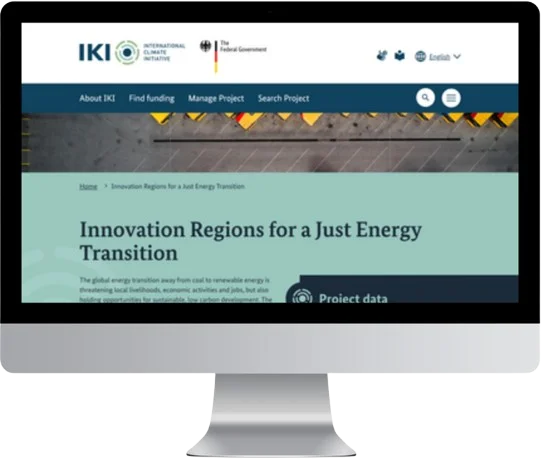
The global energy transition away from coal to renewable energy is threatening local livelihoods, economic activities and jobs, but also holding opportunities for sustainable, low carbon development. The project aims at supporting key stakeholder of coal regions to plan for and implement regional just energy transition pathways away from coal and towards a low-carbon energy system. Focusing on the regional economic transformations, the project works with government, industry, unions, communities, civil society, and academia. It supports interregional peer-to-peer exchange, learning, and policy dialogue in an international network and information sharing via a knowledge hub. In Indonesia, it supports the development of specific transition plans in two coal regions. In Colombia, it supports the development of the concept and framework for energy communities and the implementation of just and inclusive energy communities in César and la Guajira.
CASE for Southeast Asia
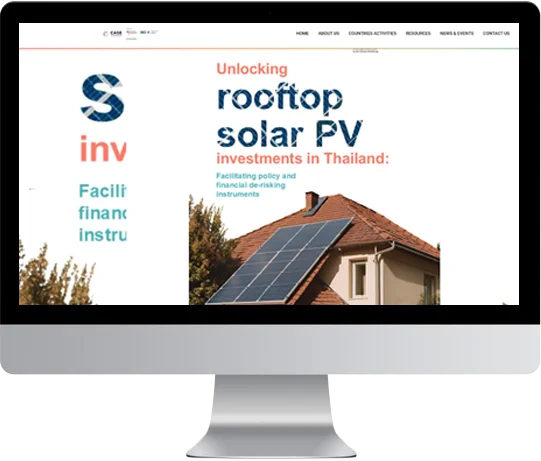
The “CASE for Southeast Asia” website is dedicated to the promotion of clean, affordable, and secure energy transitions across Southeast Asia. The website focuses on the provision of resources, the conducting of research, and the facilitation of collaborative projects in countries such as Indonesia, Thailand, the Philippines, and Vietnam, with the aim of supporting energy transition efforts. The platform highlights the challenges and opportunities in the region’s energy sector, while sharing knowledge, best practices, and policy recommendations aimed at advancing the transition to renewable energy and sustainable development
Contact
Project Address
N/A
- N/A
- N/A
N/A
- N/A