
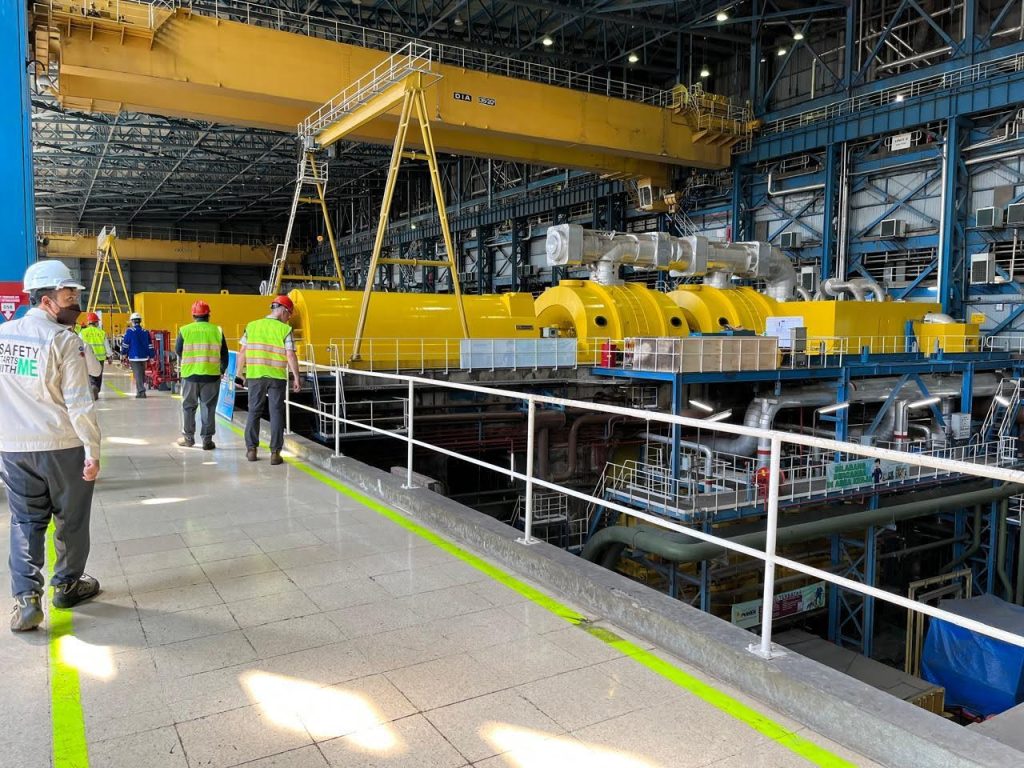
Supporting Indonesia’s Energy Transition
Partner
State Electricity Company (PLN)
Project duration
2026-2031
Project volume
302 Mio USD
Location
Sumatera, Java, Nusa Tenggara, Sulawesi, Kalimantan, Maluku, Papua
Type of funding
Concessional Loan
Project approach
Results-based Lending
Project status
In preparation
The programme supports the reduction of greenhouse gas emissions, contributing to environmental and health population benefits through the expansion of solar photovoltaic (PV) and wind generating capacity, strengthening power grid infrastructure, and enhancing institutional capacity for clean energy planning and deployment and to manage a just transition.
Background
Indonesia’s National Energy Policy outlines a bold ambition to transition towards a cleaner energy future. By 2060, the country aims to achieve near-zero emissions in electricity generation through a significant expansion of renewable energy sources. This commitment aligns with Indonesia’s pledge under the Paris Agreement to reduce emissions by 31.89% (or 43.20% with international support) by 2030.
The electricity sector, responsible for 43% of energy sector emissions in 2019, plays a pivotal role in achieving these targets. PLN, Indonesia’s state-owned electricity company, is at the forefront of this transition. While PLN generates a significant portion of its power, it also purchases from independent power producers (IPPs).
To accelerate renewable energy adoption, PLN has set a target to increase the share of renewables in its total generation to 24.8% by 2030. However, this ambitious goal requires substantial investment, estimated at around $3.1 billion per year.
To support PLN’s clean energy transition, a results-based lending (RBL) program has been established. This program prioritizes safeguards and a just transition while encouraging a shift towards large-scale clean energy development. By fostering competition and scaling up the market, the RBL program aims to drive down the cost of renewable energy sources like solar PV and wind power.
Programme Outcomes
By transitioning to cleaner electricity sources, the programme aims to enhance environmental quality and public health. Its success will be measured by a reduction in annual emissions of carbon dioxide, nitrogen oxides, and sulfur dioxide.
To achieve this, the programme will promote Renewable Energy Integration by increasing solar and wind power generation connected to the grid and providing comprehensive training to PLN staff on sustainable energy transition.
To enhance grid infrastructure, substation transformer capacities will be upgraded and transmission control centers modernised to ensure the grid is equipped to handle renewable energy integration.
Lastly, institutional capacities will be improved by Implementing robust environmental and social safeguards, upskilling PLN staff, and promoting gender equality in renewable energy roles will strengthen the institution’s ability to manage a just energy transition.
Project Activity Areas (Outputs)
Promoting Renewable Energy Integration
Enhancing Grid Infrastructure
Building Institutional Capacity
Project Publications
Project Updates
Tools
Contact
Project Address
N/A
- N/A
- N/A
N/A
- N/A