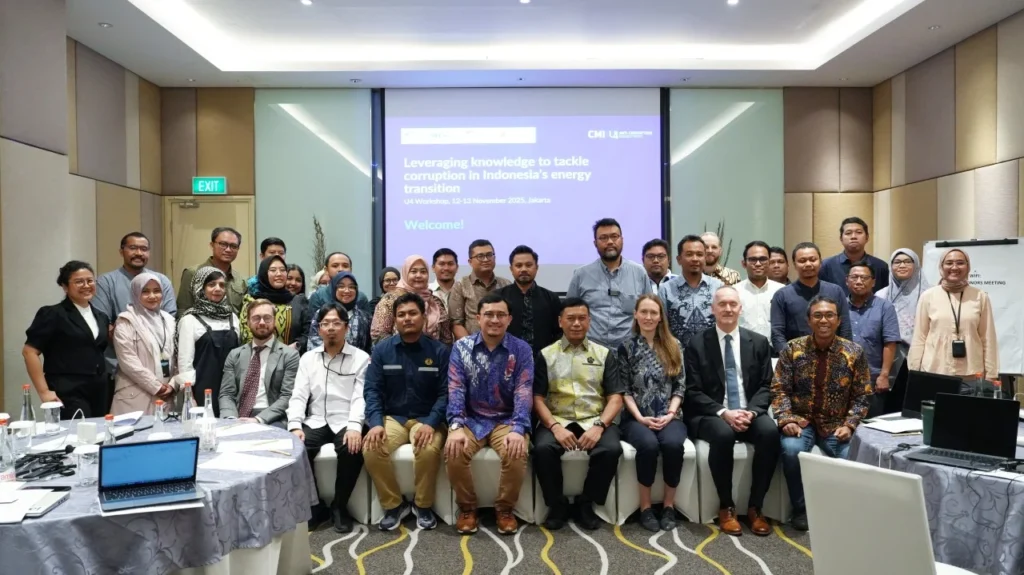
On 12-13 November 2025, the Energy Programme GIZ Indonesia/ASEAN convened a two-day workshop in Jakarta titled “Leveraging Knowledge to Tackle Corruption in Indonesia’s Energy Transition.” This gathering marked an important milestone: the first time the Energy Programme expanded its support beyond technical and policy design to also address governance, integrity, and anti-corruption challenges in the sector.
Co-organised with U4 Anti-Corruption Resource Centre and the Basel Institute on Governance, the workshop brought together voices from government, civil society, academia, and development partners. The aim was clear: to deepen shared understanding of corruption risks and co-develop practical steps to safeguard Indonesia’s shift toward clean energy. The event also complements an ongoing in-depth study on corruption risks across Indonesia’s energy transition, currently being developed through the U4-Basel-GIZ collaboration.
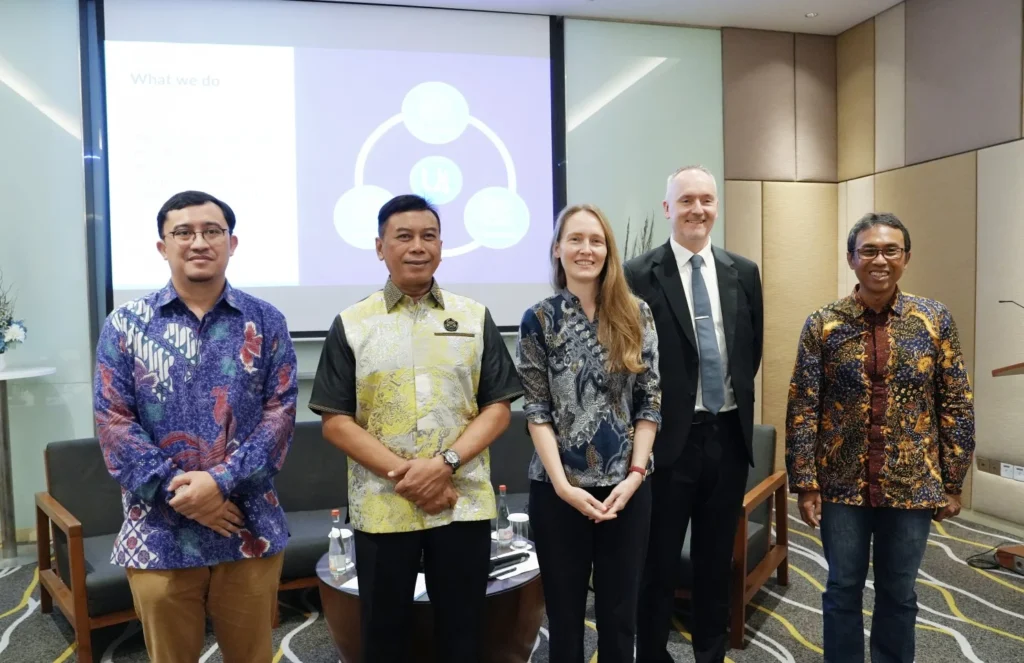
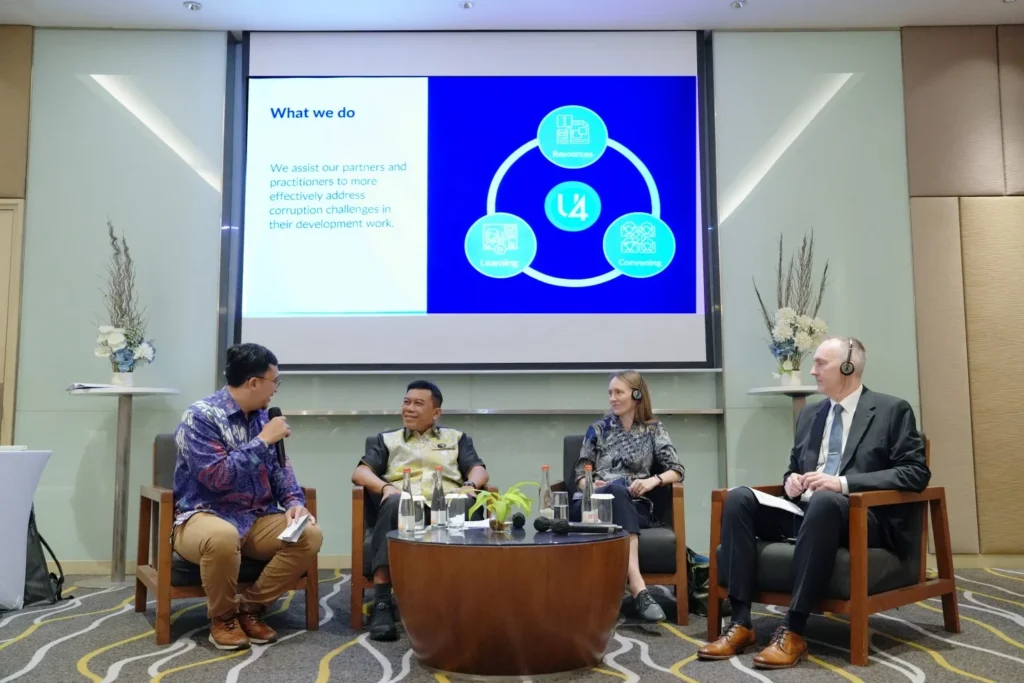
The workshop opened with a strong message from the Inspector General of the Ministry of Energy and Mineral Resources (ESDM), Komjen Pol Yudhiawan Wibisono, who emphasised that transparency and preventive measures are essential to ensure that the energy transition remains accountable, timely, and aligned with public interest.
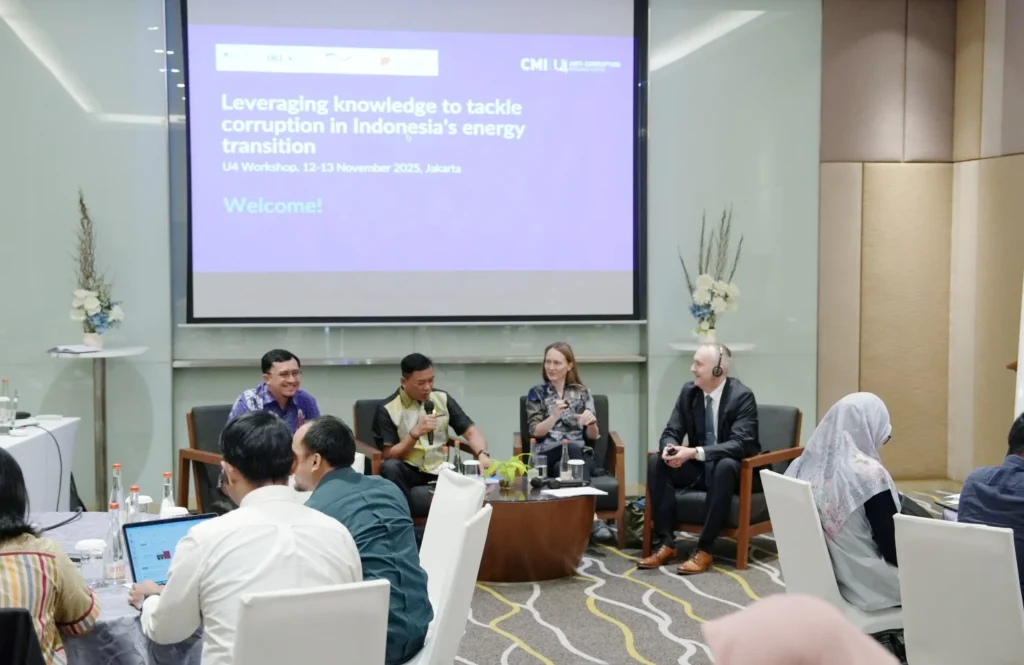
From U4 Anti-Corruption Resource Centre, Dr David Aled Williams and Robert Forster also from Basel Institute on Governance, Lakso Anindito, reinforced a key insight that shaped the discussions over both days: corruption remains one of the most persistent obstacles to achieving an effective, equitable, and resilient energy transition. This set the tone for the conversations that followed.
Adding to this, the Director of the GIZ Energy Programme Indonesia/ASEAN, Lisa Tinschert, highlighted the collective responsibility required to navigate the opportunities and risks of the energy transition, stating:
“The transition to renewable energy offers both opportunities and risks. By working together, we can ensure transparency, accountability, and shared benefits.”
Day 1 – Mapping Risks and Priorities
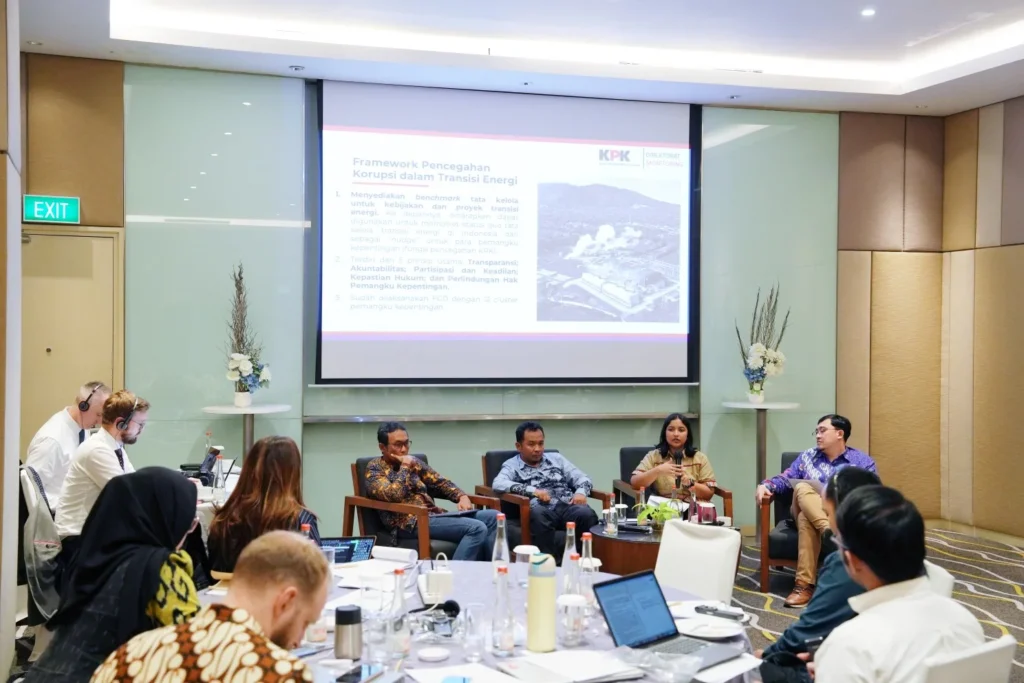
The first day focused on identifying key corruption risks across Indonesia’s energy transition landscape. Speakers from KPK, Transparency International Indonesia, and Publish What You Pay outlined the sector’s vulnerabilities, from procurement and licensing frameworks to subnational implementation, and offered reflections on safeguards needed to reinforce good governance.
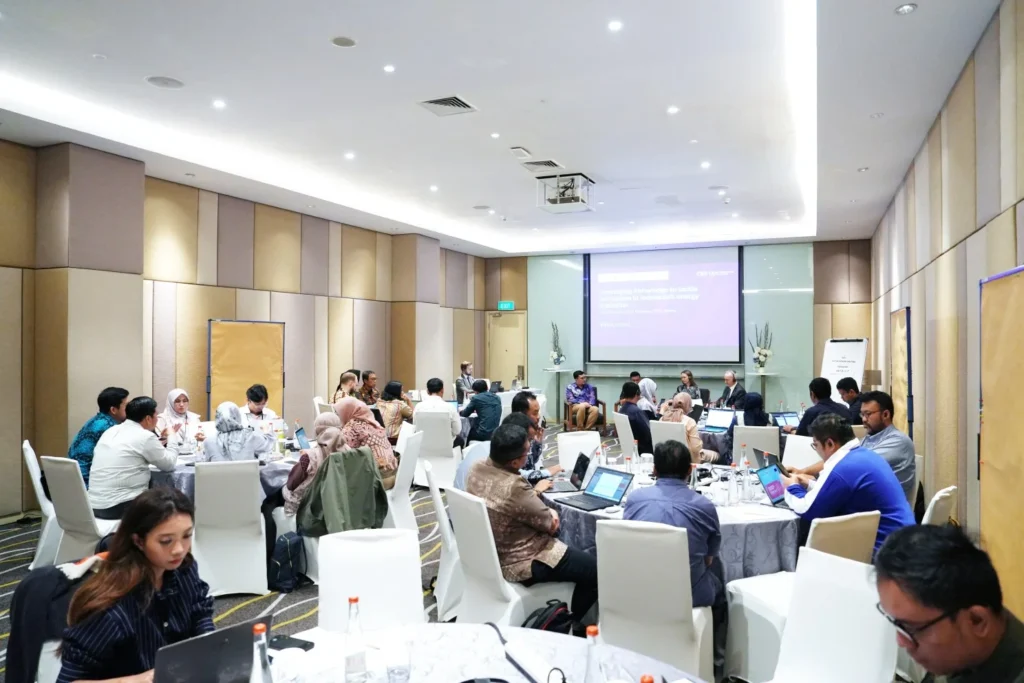
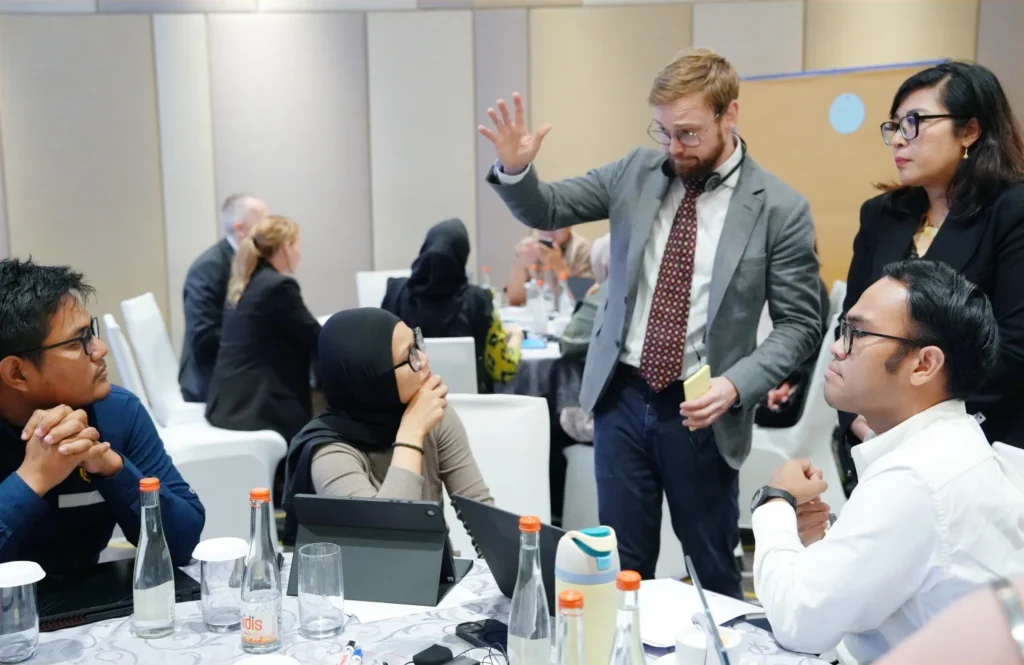
Participants then collaborated in thematic group discussions to identify priority challenges and consider how institutional cooperation can be strengthened moving forward.
Day 2 – Learning from Provincial Realities
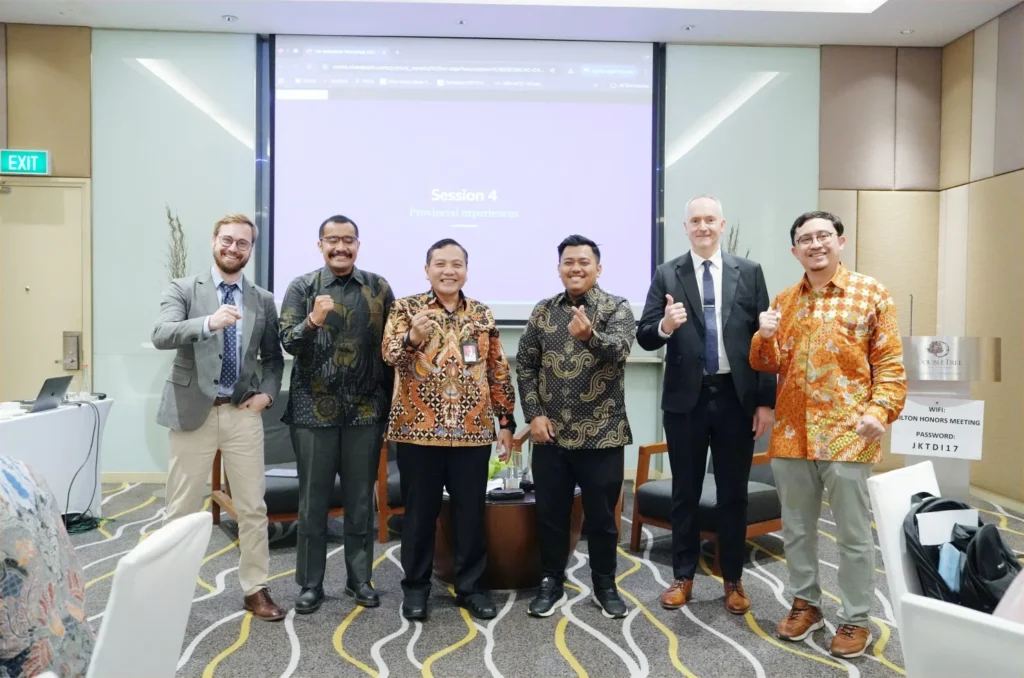
The second day spotlighted provincial perspectives and on-the-ground challenges. Dr. Ir. Bachril Bakri (Ministry of Home Affairs), alongside speakers from PPATK and CERAH, shared insights into subnational governance dynamics, data transparency, and the practical realities of implementing anti-corruption safeguards beyond Jakarta. These discussions highlighted that integrity challenges vary widely across regions and require tailored, context-aware strategies.
Moving Forward, Building a Foundation for Integrity
Across both days, participants exchanged lessons learned, mapped priority issues, and outlined concrete follow-up actions, laying a foundation for future collaboration. There was a shared recognition that Indonesia’s energy transition will only be successful when technical ambition is matched by good governance, transparency, and public trust.
This workshop represents an important step in embedding integrity into Indonesia’s broader sustainability agenda, ensuring that the shift toward clean energy is not only technologically feasible, but also inclusive, resilient, and fair.