SOCOOL (Solar Cold Chains for Green Economy)
Status
Ongoing
Overall Project Duration
2023–2026
Commissioner
BMZ
Political Partner
Cooperation Partners
Implementing Organization
GIZ
Project page on organization website
Project Documents and Links
- N/A
Background
Demand for energy is growing rapidly in Indonesia. However, renewable energies continue to make only a small contribution to the country’s electricity supply. As a result, the provision of energy is having an increasing impact on the country’s CO2 emissions. Energy-related emissions are expected to become the largest source of greenhouse gas emissions and will account for up to 70 percent of total emissions by 2030.
One of the sectors with the fastest-growing requirement for electricity is commercial and industrial cooling. However, the refrigeration sector also offers great potential for increasing energy efficiency, integrating renewable energies through photovoltaic systems, and thus reducing and avoiding climate-damaging emissions in the long term. At the same time, the use of decentralised, renewable energies creates cost benefits by avoiding transport and fuel costs for electricity generation.
The GIZ-implemented Energy Programme Indonesia/ASEAN supports the Indonesian Government in a partner-based approach in achieving its targets for a sustainable energy transition. These include realising Indonesia’s target of 23% renewable energy in the power mix by 2025 and 34% by 2030, achieving Net Zero Emissions by 2060, and mainstreaming low-carbon technologies as part of an overall economic transformation.
As one of the measures to support the Government of Indonesia (GoI) under the Energy Programme, the “Solar Cold Chains for a Green Economy in Indonesia” (SOCOOL) Project shall create suitable technological and market framework conditions to enable a long-term reduction of CO2 emissions in Indonesia’s cooling sector. An industry-based, national approach in partnership with inter-ministerial collaboration shall ensure contributions towards Indonesia’s Nationally Determined Contributions and renewable energy targets while achieving socio-economic improvements in related sectors of the economy with high demands for cold chain expansion and preservation of goods.
Project Approach
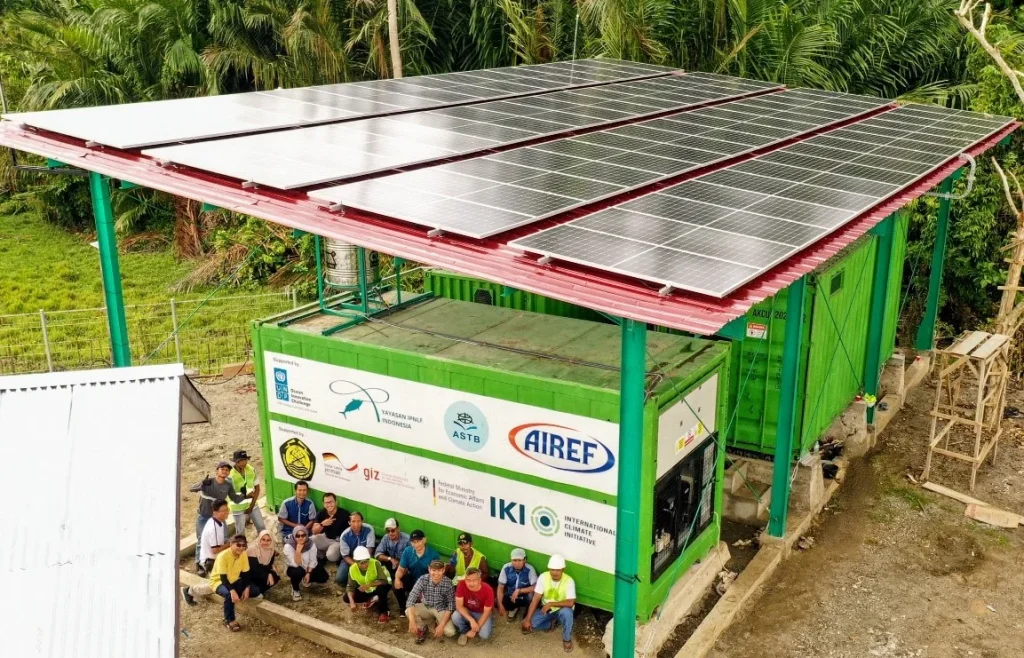
The project works closely with Indonesia’s Ministry of Energy and Mineral Resources (ESDM), Ministry of Marine Affairs and Fisheries (KKP), and the Coordinating Ministry for Maritime and Investment Affairs (Kemenkomarves) to standardize the use of solar technologies in cold chains and supply chains. It also promotes the formation of technology partnerships between applied research and industry, developing needs-based, economically, and technically viable solutions for solar cold chains. These technologies, such as solar cold stores and solar ice production plants, will be disseminated in key economic sectors like fisheries, helping to reduce CO2 emissions in national and international supply chains
Desired Impacts
Firstly, it can cost-effectively improve access to energy in Indonesia’s remote coastal areas – reducing post-harvest losses through new cooling solutions.
Secondly, it can replace costly fossil-fuel power generation in fishery regions, generating for example USD 2.8 million in annual savings in Maluku’s food and beverage sector alone.
Thirdly, standardising solar energy as part of the annual rollout of new cold storages (+30% year-on-year growth 2021/2022) can add 140 MWp per year in new solar power capacity and contribute to Indonesia’s renewable energy targets with up to 1 GWp by 2030.
Project Activity Areas (Outputs)
National Planning
Technology Partnerships
Demonstration and Market Development
Project Publications
Project Updates
Tools
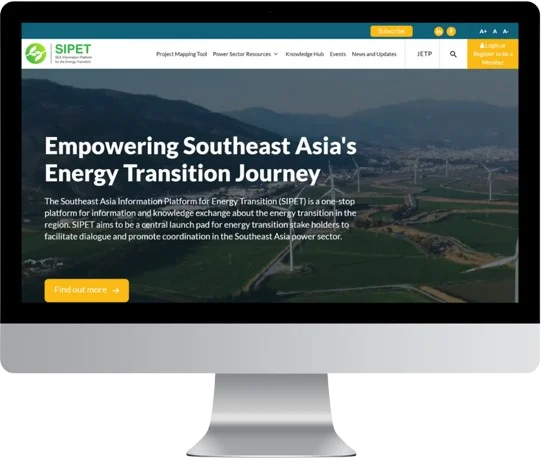
SEA Information Platform for the Energy Transition (SIPET)
The Southeast Asia Information Platform for Energy Transition (SIPET) is a one-stop platform for information and knowledge exchange about the energy transition in the region. SIPET aims to be a central launch pad for energy transition stake holders to facilitate dialogue and promote coordination in the Southeast Asia power sector.
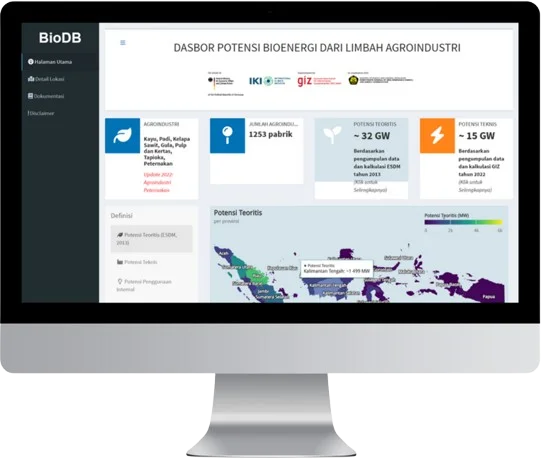
Bio DB
BioDB is a useful website for providing general information, encouraging discussion and conversation on the topic of bioenergy from agro-industrial waste. The data and information presented were collected by the Strategic Exploration of Economic Mitigation Potentials through Renewables (ExploRE) project, a project funded by the Federal Ministry for the Environment, Nature Conservation and Nuclear Safety (BMU), Federal Republic of Germany, in collaboration with the Ministry of Energy and Mineral Resources (ESDM) of the Republic of Indonesia, and implemented by the Deutsche Gesellschaft für Internationale Zusammenarbeit (GIZ)
IKI JET
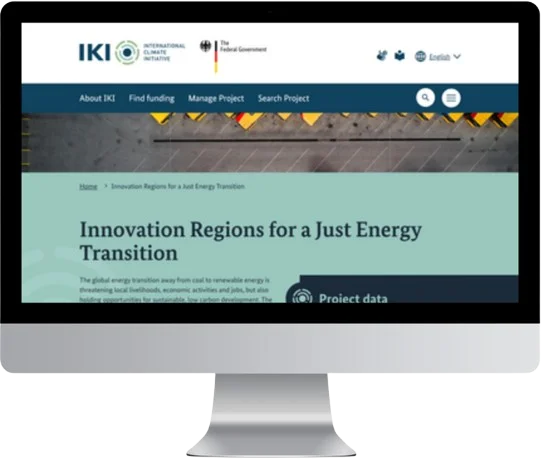
The global energy transition away from coal to renewable energy is threatening local livelihoods, economic activities and jobs, but also holding opportunities for sustainable, low carbon development. The project aims at supporting key stakeholder of coal regions to plan for and implement regional just energy transition pathways away from coal and towards a low-carbon energy system. Focusing on the regional economic transformations, the project works with government, industry, unions, communities, civil society, and academia. It supports interregional peer-to-peer exchange, learning, and policy dialogue in an international network and information sharing via a knowledge hub. In Indonesia, it supports the development of specific transition plans in two coal regions. In Colombia, it supports the development of the concept and framework for energy communities and the implementation of just and inclusive energy communities in César and la Guajira.
CASE for Southeast Asia
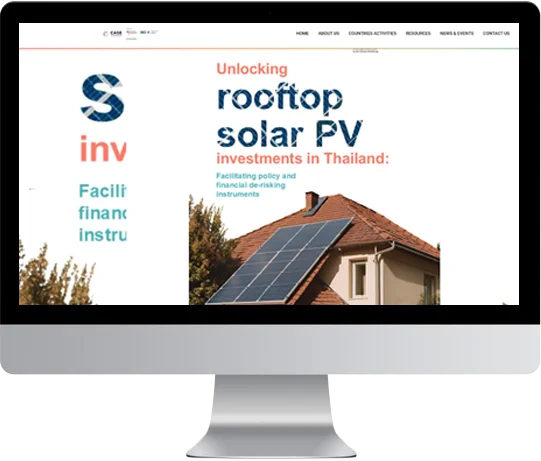
The “CASE for Southeast Asia” website is dedicated to the promotion of clean, affordable, and secure energy transitions across Southeast Asia. The website focuses on the provision of resources, the conducting of research, and the facilitation of collaborative projects in countries such as Indonesia, Thailand, the Philippines, and Vietnam, with the aim of supporting energy transition efforts. The platform highlights the challenges and opportunities in the region’s energy sector, while sharing knowledge, best practices, and policy recommendations aimed at advancing the transition to renewable energy and sustainable development
Contact
Project Address
De Ritz Building, Floor 2
Jl. HOS Cokroaminoto No. 91, DKI Jakarta, Indonesia
Frank Stegmüller
Commission Manager SOCOOL