Sustainable Energy Access in Eastern Indonesia (RBL SNT)

Status

The implementation phase ended on December 31, 2023. The program was highly successful, with a target achievement rate of approximately 98%. The program’s implementation structure, as a RBL, was geared toward achieving concrete results, which guide the disbursement of funds. Target achievement was reviewed annually by an independent consultant. Indicators (Disbursement-Linked Indicators, DLIs), such as the expansion of the distribution network infrastructure and increased access to electricity services, were used to measure target achievement and the corresponding disbursement. The targets have been almost fully met. Accordingly, PT PLN is entitled to receive 98% of the loan amount. The final disbursement was made in October 2024, meaning PLN has received 98% of the loan amount in full.

Overall Project Duration

The implementation phase ended on December 31, 2023. The program was highly successful, with a target achievement rate of approximately 98%. The program’s implementation structure, as a RBL, was geared toward achieving concrete results, which guide the disbursement of funds. Target achievement was reviewed annually by an independent consultant. Indicators (Disbursement-Linked Indicators, DLIs), such as the expansion of the distribution network infrastructure and increased access to electricity services, were used to measure target achievement and the corresponding disbursement. The targets have been almost fully met. Accordingly, PT PLN is entitled to receive 98% of the loan amount. The final disbursement was made in October 2024, meaning PLN has received 98% of the loan amount in full.

Commissioner

N/A

Political Partner

State Electricity Company (PLN)

Cooperation Partners

State Electricity Company (PLN)

Implementing Organization

KFW

Project page on organization website
Project Documents and Links

The result-based loan (RBL) program aims to support the development of electricity distribution networks to connect businesses and households and to enhance the quality of life in Eastern Indonesia by the sustainable use of electricity as a key driver of increased economic activity. The program will complement a proposed sector loan for small- to mid-sized natural gas-fired power stations to deliver more sustainable energy services to communities across Eastern Indonesia. Natural gas is a much cleaner fuel compared to diesel and the quick-responding nature of gas-fired engines and turbines make them a good match for intermittent renewable energy sources such as solar and wind. It is an appropriate transition fuel to move towards a low-carbon energy system. The two loans will help enhance access to sustainable energy services and contribute to climate change mitigation.

Background

The program aimed to support the development of electricity distribution networks to connect businesses and households and improve the quality of life in eastern Indonesia through the sustainable use of electricity as a key to increasing economic activity. Indonesia has been on a stable growth trajectory for several years. Java and Bali, in particular, have grown significantly faster than the eastern parts of Indonesia. This is leading to ever-increasing regional income disparities between Java and Bali and the eastern provinces. Eastern Indonesia has enormous potential to develop new sources of sustainable and inclusive economic growth in sectors such as fishing, agro-industry, and tourism. However, this potential cannot be fully realized due to a lack of key infrastructure such as electricity supply, ports, roads, and communications networks. To improve this situation, the government had made accelerating infrastructure investments, including in the remote and eastern parts of the country, one of its main objectives as part of the National Medium-Term Development Plan (RPJMN) 2020-2024, with rural electrification playing a key role. The program built on this goal:
Although nationwide electrification was already at 99% by the end of 2019, electrification rates in eastern Indonesia, i.e., in some areas of Sulawesi, Papua, and North Kalimantan, were 80% or less. A key reason for this was the limited availability and quality of the power grid. The project presented here aims to address this.
Desired Impacts

The project objective is defined as follows: By promoting the expansion of the electricity distribution system, access to a reliable, modern electricity supply for the population and businesses in the target regions of Sulawesi and Nusa Tenggara will be sustainably and broadly improved. The project thus aims to contribute to the overarching development policy goal of sustainable economic and social development in the remote eastern regions of Indonesia.

Project Activity Areas (Outputs)

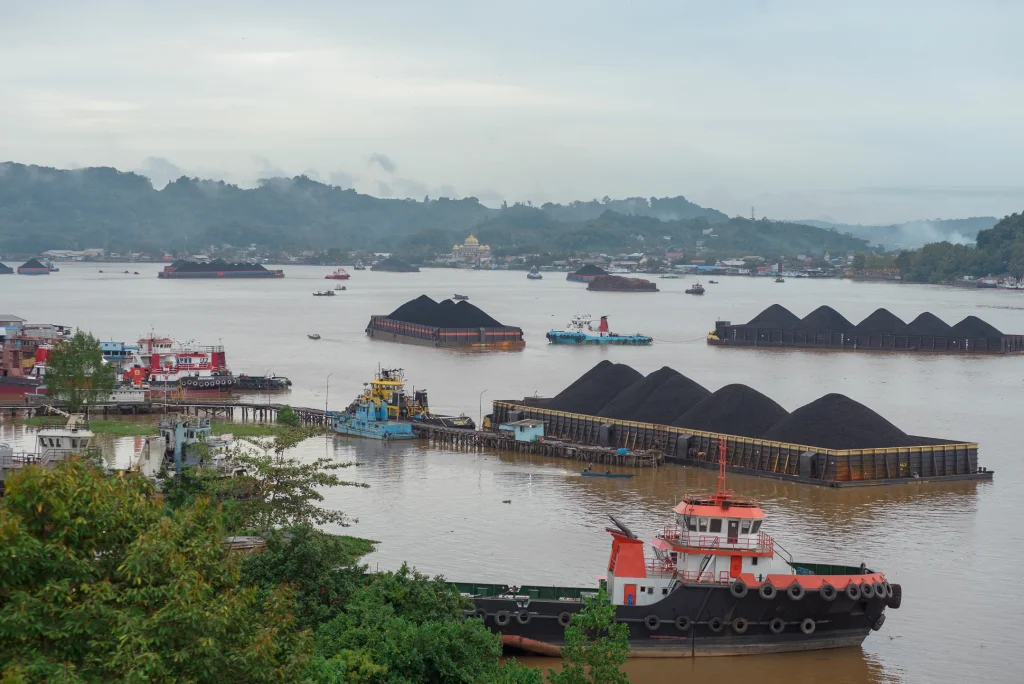
Informed social dialogue and stakeholder engagement on just energy transition in coal regions takes place in Regional Consultation Forums

Transformational measures to support the JET of coal regions are rolled out

Policy advice to improve the policy framework for just energy transition is fed into respective policy processes.

Project Publications

Project Updates

Tools

Contact

Project Address

TBD

Scroll to Top

Subscribe to the Energy Hub Bi-weekly News Clipping

Please complete this form to receive our news clippings, newsletters, and other updates.
  *


*Required Fields
Note: It is our responsibility to protect your privacy and we guarantee that your data will be completely confidential.