
Indonesia has embarked on a critical journey to transition from its traditional reliance on fossil fuels to cleaner energy sources. This shift is vital for achieving sustainable growth and addressing the nation’s energy security challenges.
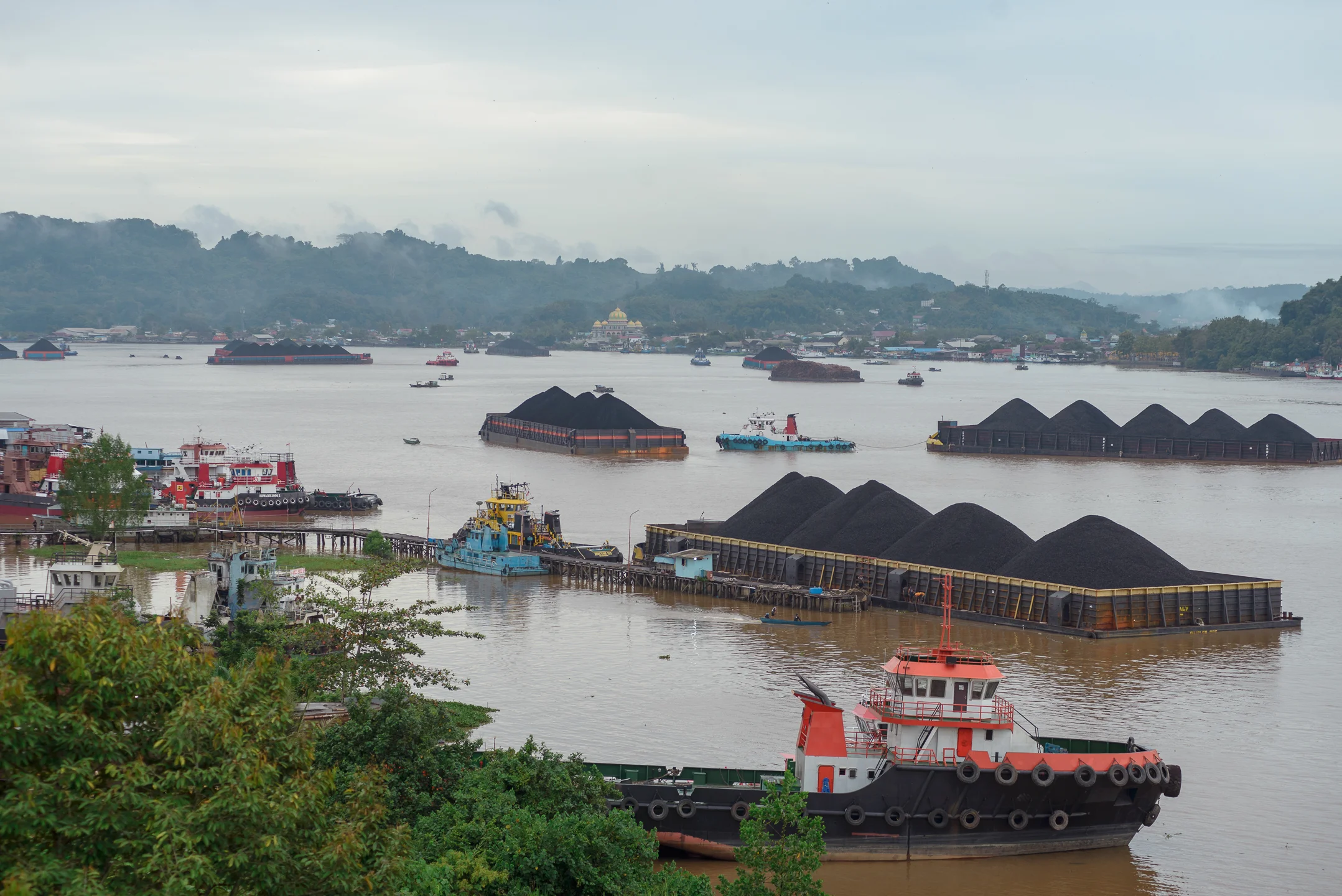
In 2013, Indonesia’s installed generation capacity was approximately 51 gigawatts (GW), and access to electricity remained a significant concern. By 2022, this capacity had expanded to around 80 GW, a substantial increase. However, the government’s primary focus remained on ensuring universal energy access, which primarily led to an expansion of coal-fired power plants. This expansion saw coal-fired generation capacity increase from 23,813 megawatts in 2013 to 46,014 megawatts in 2022.
While Indonesia’s electrification rate improved significantly from 80.5% in 2013 to 99.6% in 2022, the country’s energy mix remains heavily reliant on fossil fuels. Although renewable energy’s share has increased from 12.3% to 18.2% during the same period, achieving the target of a predominantly renewable energy mix poses significant challenges due to growing energy demand and the relatively slow pace of renewable energy development.
Key obstacles hindering Indonesia’s energy transition include: (1) a lack of a clear roadmap for transitioning to clean energy, (2) insufficient transmission grid capacity, and (3) regulatory barriers that discourage investments in clean energy projects.
To address these challenges, a programmatic approach is necessary. This approach will involves a series of policy-based lending (PBL) programs, focusing on two reform areas: (1) establishing policies and a regulatory framework for clean energy transition, and (2) improving sector governance and financial sustainability. This multi-year approach will be complemented by results-based lending (RBL) and infrastructure-based energy transition investments.